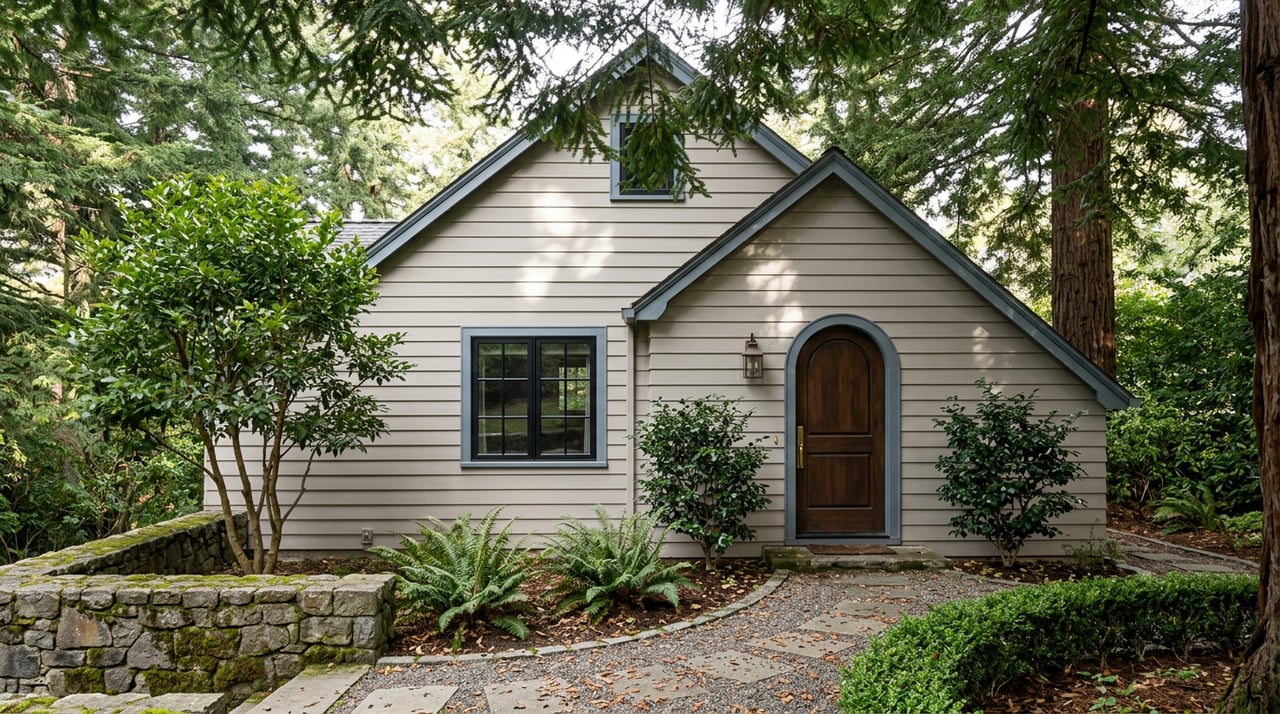
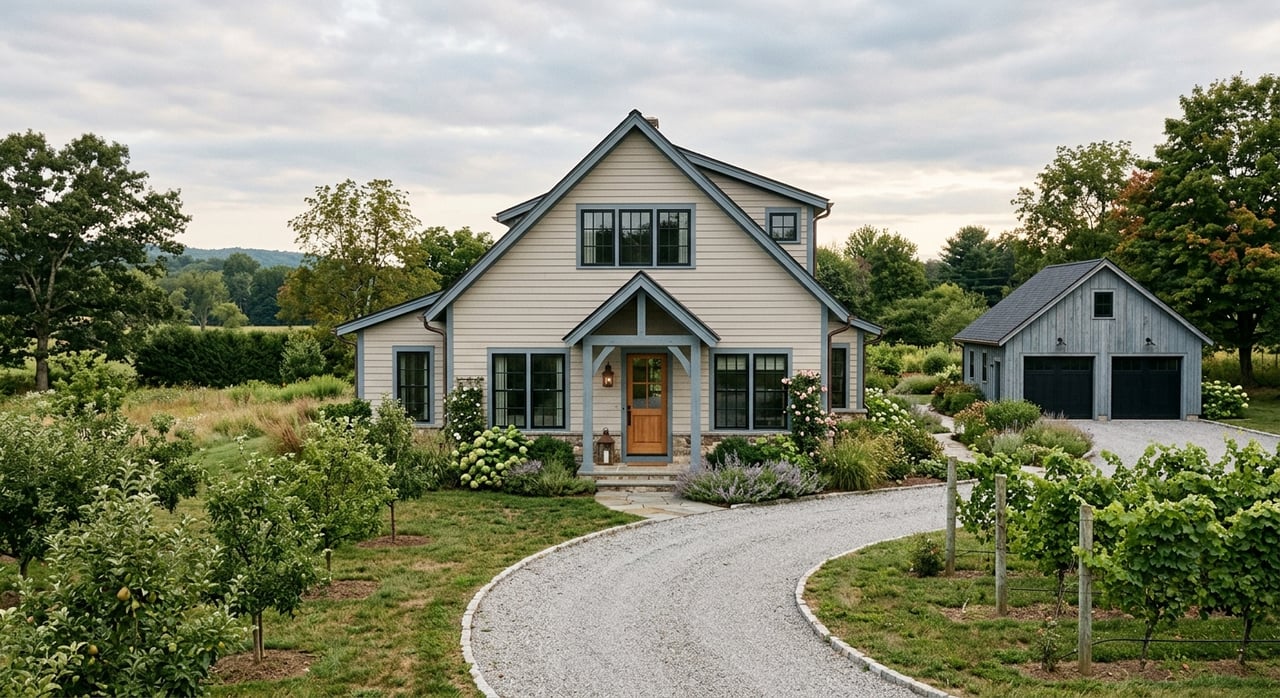
Dreaming about a little more space in Sebastopol? Country property can be incredibly rewarding, but it also comes with questions you may not face when buying in town. If you are considering acreage, a farmhouse, or a home with room to grow, it helps to understand what really drives value, costs, and day-to-day livability. This guide walks you through the key factors to review before you buy, so you can move forward with more clarity and confidence. Let’s dive in.
Country property is more than the house
When you buy country property in the Sebastopol area, you are often buying a land-use package, not just a home. Many properties outside city limits fall under Sonoma County rules, which means zoning, parcel records, and recorded restrictions can matter just as much as the condition of the house.
A smart first step is to verify how the parcel is classified and what is officially recorded against it. Sonoma County Planning handles zoning in unincorporated areas and offers parcel search tools by address or parcel number. The Clerk-Recorder-Assessor maintains public records that can help confirm easements, restrictions, and other recorded details.
Check for Williamson Act status
One of the most important questions for Sebastopol country buyers is whether the parcel is under an Agricultural Preserve or Williamson Act contract. Sonoma County explains that these contracts can reduce property taxes in exchange for agricultural or open-space use, and they stay with the property when ownership changes.
That matters because your future plans may be more limited than a listing suggests. If you hope to add outbuildings, divide land, or shift to non-agricultural uses, you will want to confirm what is allowed before you get too far into escrow.
Understand the agricultural context
Sebastopol sits in a county where agriculture still plays a major role in land use. Sonoma County’s 2024 crop-report materials show total gross production value of $857.6 million, with winegrapes leading at $626.6 million. Apples also remain a meaningful part of the county’s agricultural mix.
If a property has vines, orchards, or land that seems suitable for future planting, do not assume you can simply start or change agricultural use without review. Sonoma County administers agricultural grading and drainage rules, along with VESCO requirements for new vineyards and orchards. That makes early due diligence especially important.
Access can change daily life
Access is one of the biggest differences between buying in town and buying country property. A beautiful home on acreage may look perfect online, but the road in, the driveway condition, and the legal access rights can have a major effect on convenience, maintenance, and long-term value.
Sonoma County maintains public roads in unincorporated areas, but it does not maintain private roads. That means you should confirm whether the property is reached by a public road, a private lane, a shared driveway, or a recorded easement.
Verify road responsibility early
If access is private, you will want to understand who is responsible for maintenance and whether there is a formal agreement in place. Recorded easements and parcel records can help clarify legal access, but it is also important to experience the route yourself.
Drive it more than once if possible. Narrow sections, drainage issues, seasonal mud, and overall all-weather passability can affect your daily routine more than you might expect.
Look closely at bridges and culverts
On acreage parcels, small structures can turn into big line items. Sonoma County fire standards say roadway and driveway structures such as bridges must be built under permit, inspected, and signed for load and clearance limits.
If a property has a bridge, culvert, or long driveway, it is worth reviewing carefully. Upgrades may be needed for emergency access or future county approval, and those costs can affect your real budget for the property.
Water, septic, and wildfire shape ownership costs
Country homes often rely on private systems, and those systems can have a direct impact on both livability and future plans. In Sebastopol-area rural purchases, water supply, wastewater capacity, and wildfire readiness are often just as important as square footage.
These items deserve focused attention during due diligence because they can influence insurance, maintenance, permitting, and expansion potential.
Test private well water
Private wells are common on country property, and Sonoma County notes that private well water is not regulated in the same way as municipal water. The county advises testing, and the state fact sheet for private domestic wells recommends basic annual testing as a baseline.
That fact sheet also notes a rough cost range of about $100 to $400 for basic testing per well. If the water’s taste, odor, or color changes, or if nearby land use changes, additional testing may be appropriate.
Understand well permit rules
Well permitting can be more involved than buyers expect. Permit Sonoma says well permits are issued by a C-57 licensed drilling contractor, and many permits submitted after October 4, 2022 require metering.
At higher-use levels, groundwater monitoring may also apply. The county also notes that wells in the Public Trust Review Area may need discretionary review before a permit is issued, and dry-weather well testing can be required for some new dwellings or ADUs in specified areas.
If you are buying with plans to expand, add an ADU, or make other changes later, those rules may affect your timeline, costs, and feasibility.
Review the septic system carefully
Septic is another major difference from an in-town purchase. Sonoma County’s OWTS Manual governs onsite wastewater systems, and county materials indicate the current OWTS Manual v8 was accepted on August 13, 2024.
Some systems are straightforward, while others may fall under Sonoma County’s OPR program for septic systems with supplemental treatment. In those cases, monitoring and service may involve a registered civil engineer, registered environmental health specialist, or certified onsite wastewater system inspector.
The practical takeaway is simple: find out what kind of system is on the property, how it has been maintained, and whether it is standard or monitored.
Factor in wildfire readiness
Wildfire preparedness is part of buying and owning many Sonoma County properties. CAL FIRE says 100 feet of defensible space is required by law, and local agencies may apply stricter standards.
CAL FIRE also recommends home-hardening measures such as a Class A roof, ember-resistant vents, clean gutters, and double-pane tempered windows. Sonoma County and local fire partners offer defensible-space and home-hardening assessments through Wildfire Adapted Sonoma County and SoCo Adapts, which can be useful resources as you evaluate a property.
Build a stronger due diligence team
A standard home inspection is important, but it is rarely enough for a Sebastopol country purchase. Rural property usually calls for a broader review because water, wastewater, access, and land-use questions often need their own specialists.
Sonoma County’s permit and inspection structure separates septic permits, water well permits, and well and septic site reviews. That is a strong reminder that one all-purpose inspection may not answer every important question.
Specialists who may help
Depending on the property, your due diligence team may include:
- A general home inspector
- A septic specialist
- A well contractor or water-testing lab
- A surveyor if boundaries are unclear
- A civil engineer if access, grading, drainage, or site constraints need closer review
The right mix depends on the parcel. The goal is to understand the property as it actually functions, not just how it appears in photos or marketing remarks.
Questions to ask before you buy
In many Sebastopol country transactions, the biggest issues are surprisingly consistent. The answers usually come down to zoning, recorded restrictions, water supply, wastewater capacity, access, and wildfire requirements rather than the house alone.
Here are a few smart questions to ask early:
- Is the property under a Williamson Act or Agricultural Preserve contract?
- Is access by public road, private road, shared driveway, or recorded easement?
- Who maintains the road or driveway?
- Is there enough summer water for the property’s current and planned use?
- What type of septic system is installed, and is it monitored?
- Are there permit records for bridges, driveways, wells, or septic work?
- Can an ADU, barn, orchard, or vineyard be added under current rules?
The earlier you ask these questions, the easier it is to avoid surprises.
Why local guidance matters in Sebastopol
Country property can offer privacy, flexibility, and a lifestyle that feels hard to replicate elsewhere in Sonoma County. It can also require a more thoughtful buying process. What looks simple on the surface may involve county zoning, recorded restrictions, private infrastructure, and future use limitations that are not obvious from a listing sheet.
That is why local, practical guidance matters. When you understand the property beyond the house itself, you can make a decision that supports both your day-to-day life and your long-term plans.
If you are considering a country home or acreage in Sebastopol, Sold with Summer, Inc. can help you evaluate the details that matter and navigate the process with clarity.
FAQs
What should you verify first when buying country property in Sebastopol?
- Start with zoning, parcel records, recorded easements, and any Agricultural Preserve or Williamson Act status, because these can affect how you use the property.
Why is road access so important for Sebastopol country property?
- Access affects daily convenience, maintenance responsibility, emergency access, and sometimes overall value, especially if the property is reached by a private road or easement.
How should you evaluate a private well on Sonoma County country property?
- You should confirm the well setup, review any available permit history, and arrange water testing, since private well water is not regulated the same way as municipal water.
What should you know about septic systems on rural Sebastopol homes?
- You should find out whether the system is standard or monitored, how it has been maintained, and whether the property’s wastewater capacity supports your planned use.
Can you add an ADU, barn, or agricultural use to Sebastopol acreage?
- Possibly, but the answer depends on zoning, recorded restrictions, water supply, wastewater capacity, and applicable county land-use rules.
How is buying country property different from buying a home in town?
- A country purchase usually requires broader due diligence because land use, private infrastructure, water, septic, and wildfire readiness can all affect the property’s true cost and usability.