Thinking about trading Bay Area pace for a little more space in Petaluma? You are not alone. Many buyers look north for a different day-to-day rhythm, but the move comes with real tradeoffs in housing, commuting, and lifestyle. If you are considering a move, this guide will help you understand what to expect in Petaluma so you can plan with more confidence. Let’s dive in.
Why Petaluma Draws Bay Area Movers
Petaluma offers a mix that can be hard to find elsewhere in the region. It has a historic downtown, riverfront activity, and a smaller-city feel, while still keeping you connected to the broader Bay Area. According to Petaluma historic planning materials, the city grew into a residential base for commuters after the postwar buildout of U.S. 101, and that commuter connection still shapes the market today.
What often stands out first is the setting. Petaluma combines a walkable downtown core with more suburban daily patterns beyond it. Historic resources reports from the city highlight a nationally registered commercial district and several local historic districts, which help explain why the city feels distinct from newer suburban communities.
Expect a Different Daily Rhythm
If you are moving from San Francisco, Oakland, or San Jose, Petaluma will likely feel slower and more spread out. That can be a welcome change if you want more breathing room, easier parking, and a home that gives you more indoor or outdoor space. It can also take some adjustment if you are used to a more urban, car-light routine.
Petaluma is not a car-free lifestyle market for most households. The city’s 2023 ACS-based parking and commute analysis found that 76.4% of workers commuted by car, truck, or van, 69.6% drove alone, and 83% of households had two or more vehicles. The same report found a mean commute time of 30.3 minutes, which gives useful context if you are trying to picture everyday logistics.
Commuting From Petaluma to the Bay Area
For many Bay Area professionals, commuting is the first practical question. The short answer is that Petaluma tends to work best for hybrid schedules, flexible office hours, or jobs that allow a mix of driving and transit. That takeaway lines up with the city’s car-heavy commute patterns and its improving, but still limited, transit network.
There are transit options if you want them. SMART currently serves both Petaluma Downtown and Petaluma North, and the downtown station connects with Golden Gate Transit, Sonoma County Transit, Petaluma Transit, and the free LumaGo shuttle. Petaluma North opened on January 10, 2025, and the city also noted in 2025 that Petaluma Transit services were fare free.
If you are trying to keep a Bay Area job while living in Sonoma County, the key is to plan realistically. Transit access is better than some buyers expect, especially near the stations, but most households still organize daily life around driving. Your ideal setup may be less about eliminating car use and more about reducing commute stress where possible.
Housing Feels More Varied Than Many Buyers Expect
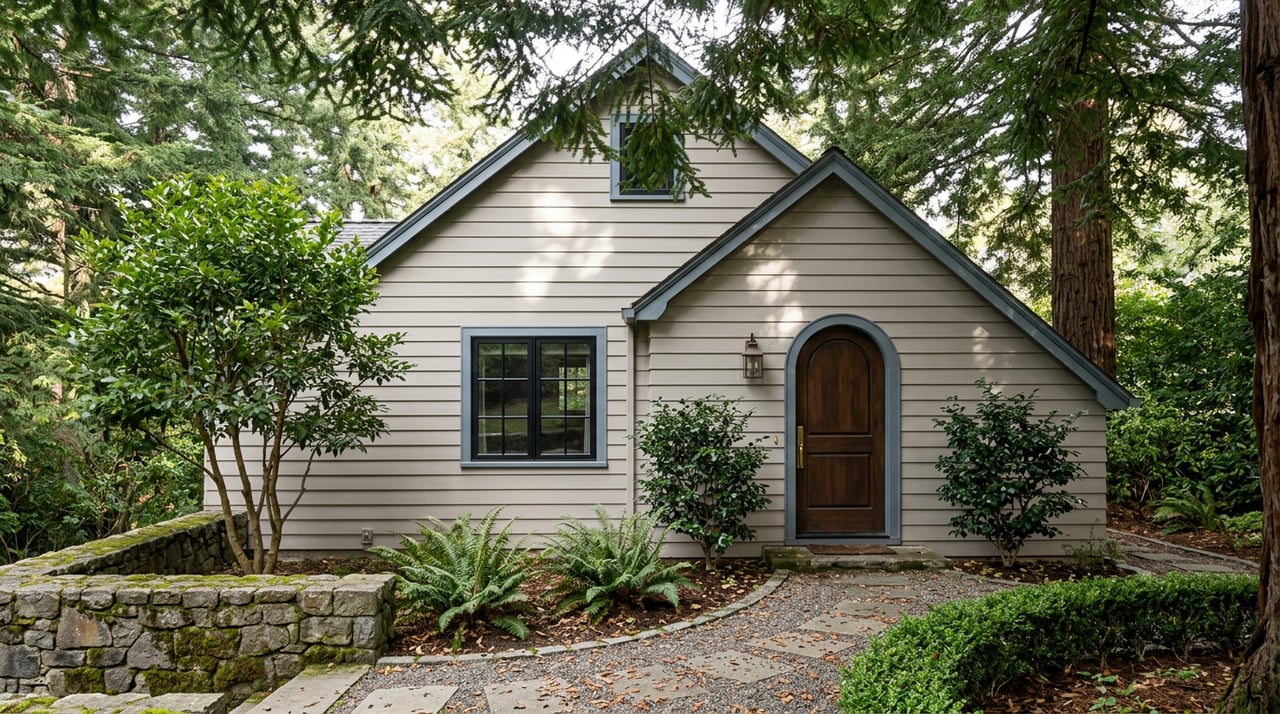
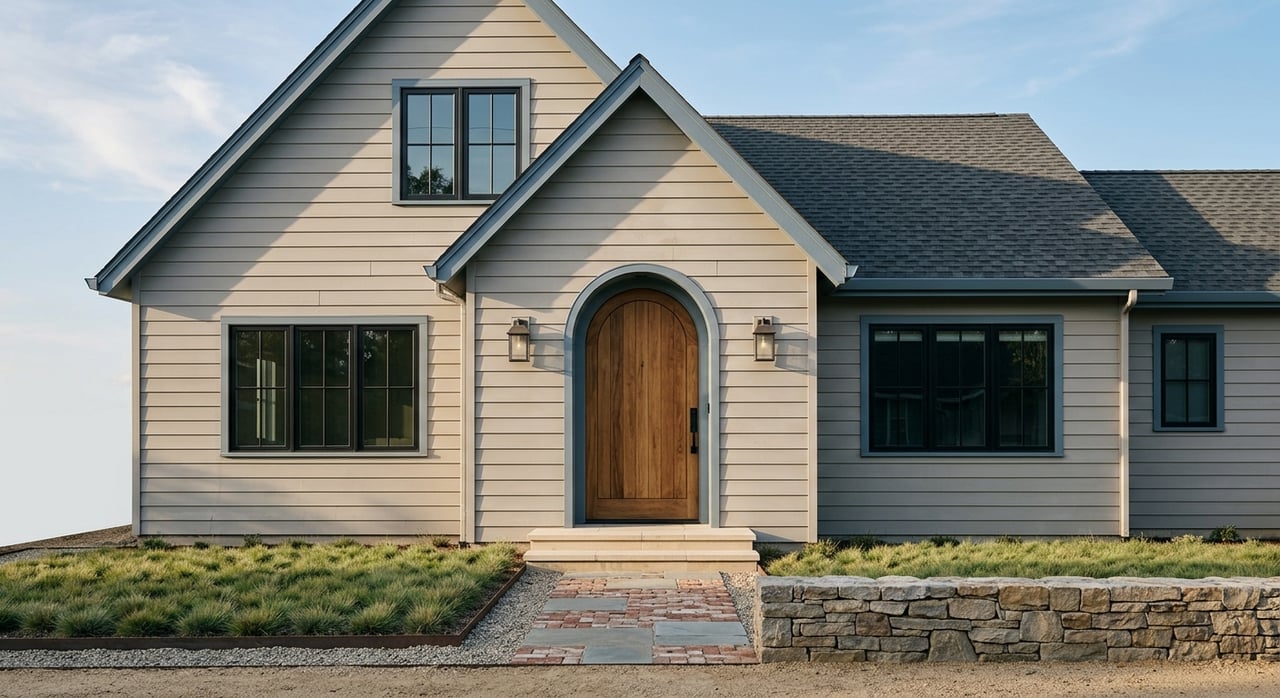
One of the biggest surprises for relocating buyers is how varied Petaluma’s housing stock is. This is not a one-style, one-price market. The city’s historic resources report describes a Victorian-era downtown commercial core, older west-side residential areas with architectural styles like Italianate, Queen Anne, Carpenter Gothic, and Victorian cottage, early 20th-century neighborhoods with Craftsman and Revival-era homes, and postwar east-side growth with Ranch, Modern, and tract housing.
That variety matters because your experience can feel very different depending on where you focus. Some buyers are drawn to older homes and established streets near the historic core. Others want a more suburban layout, newer-feeling floor plans, or easier access to commuting routes.
Petaluma Home Prices by Area
Pricing also varies widely across Petaluma. Recent Petaluma data from Redfin shows neighborhood averages ranging from about $709,000 in Midtown to $845,000 downtown, $875,000 in Adobe, $897,000 in College Heights, $899,000 in West Petaluma, $975,000 in Oakhill Brewster, $1.065 million in Western Petaluma, and $1.259 million in West Hills.
The main takeaway is simple: Petaluma is not one uniform market. Depending on the neighborhood, home style, lot, and location, prices can differ by hundreds of thousands of dollars. That is why relocation buyers usually benefit from narrowing priorities early, especially if they are balancing commute, budget, and house style.
How Petaluma Compares on Cost
Many Bay Area buyers start their search assuming Petaluma will be a dramatic discount. Sometimes that is true, but not always. The more accurate way to look at it is as a space-and-lifestyle tradeoff.
According to Redfin market snapshots, Petaluma’s median sale price was $880,000 in March 2026. For comparison, San Francisco was $1.5 million in February 2026, San Jose was $1.4725 million in March 2026, and Oakland was $729,250 in February 2026.
That means Petaluma was roughly 41% lower than San Francisco and 40% lower than San Jose, based on those snapshots. At the same time, it was about 21% higher than Oakland. If you are relocating, that context helps set expectations: you may gain more space, a different pace, and a different housing mix, but not necessarily a lower-cost move compared with every Bay Area city.
Lifestyle in Petaluma
For many people, lifestyle is the real reason the move makes sense. Visit Petaluma describes a walkable, historic downtown with restaurants, boutiques, museums, and riverfront activity. Local guides also point to farmers markets, river walks, Shollenberger Park, and Petaluma River Park as easy, everyday ways to spend time outdoors.
This can be a strong fit if you want access to Sonoma County amenities without feeling completely disconnected from Marin or the rest of the Bay Area. You may find that daily life becomes a little less rushed and a little more local. Instead of optimizing every minute around city traffic or tight parking, you may start thinking more about weekend markets, outdoor time, and neighborhood routines.
The weather can also feel different. The Petaluma Gap brings fog, wind, and noticeable temperature swings, so layers are often part of daily life. It is a small detail, but it shapes how the city feels from morning to evening.
Schools and Boundaries to Check Early
If school assignment is part of your move, it is smart to verify boundaries before you make an offer. Petaluma City Schools’ boundary tool notes that addresses in Petaluma City School District feed TK-6, addresses in Petaluma Joint Union High School District feed grades 7-12, and some addresses fall into both. If an address is outside district boundaries, families need an interdistrict transfer.
The key point is that you should check the exact address, not just the neighborhood name. Boundaries can affect planning, timing, and your home search criteria. Doing that homework early can save you from surprises later in the process.
Is Petaluma the Right Fit?
Petaluma tends to work well for buyers who want more space, a smaller-city setting, and a strong sense of place. It can be especially appealing if you like historic character, a local downtown, and convenient access to outdoor recreation and Sonoma County amenities. It is also practical for many buyers who no longer need to be in the office five days a week.
At the same time, it helps to be honest about the tradeoffs. You are moving into a market that still depends heavily on cars, has meaningful neighborhood-to-neighborhood price differences, and may not feel like a bargain compared with every Bay Area alternative. The best move usually happens when your housing goals, budget, and work routine all line up.
If you are considering a move to Petaluma, working with a local guide can make the process feel much more manageable. Sold with Summer, Inc. helps Bay Area buyers navigate Petaluma with practical neighborhood insight, clear communication, and a personalized relocation approach. Let’s talk about your next move.
FAQs
What is commuting from Petaluma to the Bay Area like?
- Petaluma is still a car-oriented city for most households, though SMART rail, local transit, and station connections give some commuters more flexibility, especially for hybrid schedules.
What should Bay Area buyers know about Petaluma home prices?
- Petaluma prices vary a lot by area, with recent neighborhood averages ranging from about $709,000 in Midtown to about $1.259 million in West Hills.
What kind of housing stock can you expect in Petaluma?
- Petaluma has a wide mix of homes, including historic west-side properties, early 20th-century neighborhoods, and postwar east-side homes with more suburban development patterns.
What is daily life in Petaluma like compared with the Bay Area?
- Many buyers find Petaluma offers a slower pace, a walkable historic downtown, riverfront activity, easy outdoor access, and a more suburban daily rhythm than the inner Bay Area.
What should families check before buying a home in Petaluma?
- Families should verify the exact school boundary for any address they are considering, since district assignment depends on location and some homes may require an interdistrict transfer.