Dreaming about a home where the soundtrack is wind, surf, and foghorns instead of traffic? A Sonoma Coast retreat can feel magical, but it is also a very specific kind of ownership experience. If you are wondering whether the coast fits your lifestyle, budget, and expectations, this guide will help you weigh the beauty against the practical realities. Let’s dive in.
What makes the Sonoma Coast different
The Sonoma Coast is Sonoma County’s rugged Pacific edge, stretching through a landscape of beaches, bluffs, coves, tide pools, and dramatic ocean views. Sonoma Coast State Park runs from Bodega Head to Vista Point north of Jenner, which helps frame just how scenic and exposed this part of the county really is.
For many buyers, the places that come to mind first are Bodega Bay, Jenner, Timber Cove, The Sea Ranch, and Gualala. These communities are tied more closely to the coastline and outdoor access than to the inland wine-country rhythm that defines other parts of Sonoma County.
That difference matters when you start thinking like an owner instead of a visitor. A Sonoma Coast home is often less about everyday convenience and more about landscape, quiet, and a retreat-oriented pace.
Why buyers are drawn to the coast
If you want a home that feels restorative, the Sonoma Coast has a lot to offer. Local tourism sources describe Bodega Bay as a seaside village, while The Sea Ranch is known for a setting where forest, meadow, and ocean exist together with a distinct architectural identity.
That creates a lifestyle centered on the outdoors. Depending on where you buy, you may be close to beaches, bluff trails, marinas, tide pools, and seasonal whale watching.
For some buyers, that is exactly the point. You are not choosing the coast because it is the easiest option. You are choosing it because it feels different from almost anywhere else in Sonoma County.
What homes often look like here
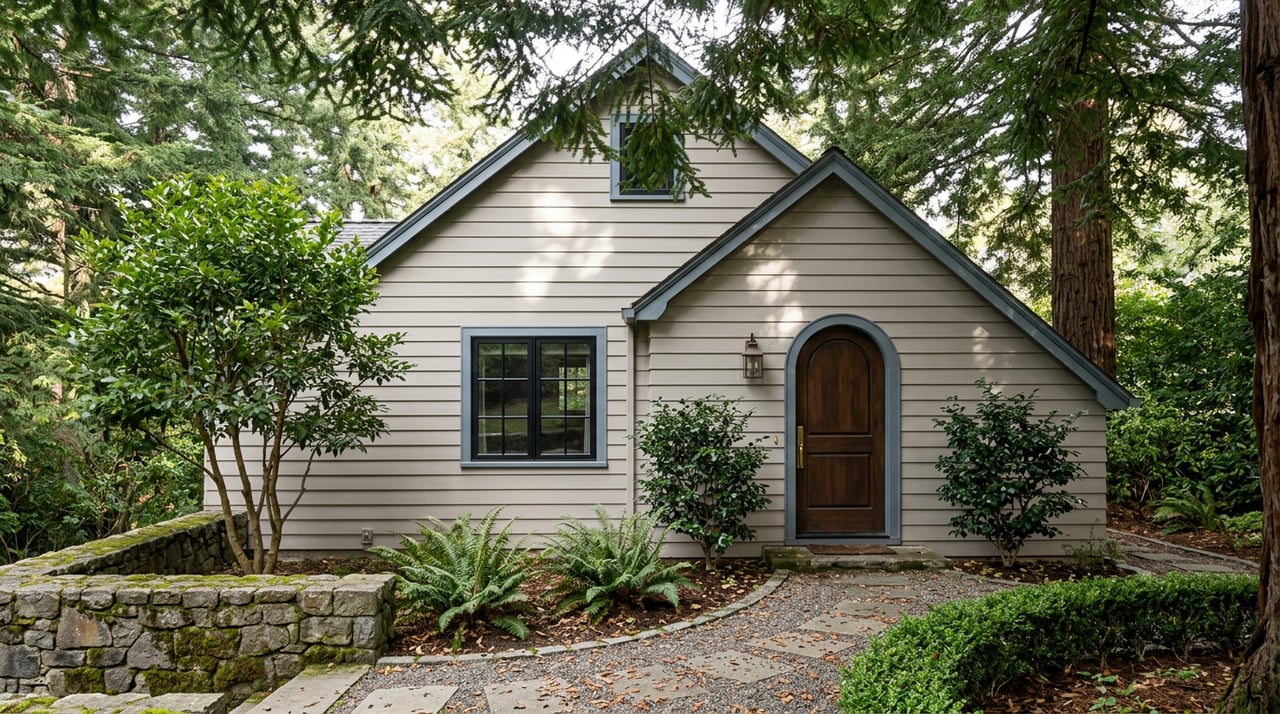
Housing along the Sonoma Coast tends to reflect the setting. You are more likely to see bluff-top view homes, smaller cottages or cabins, and low-profile wood homes designed to sit quietly in the landscape.
The Sea Ranch stands out in particular. It was designed as a low-profile community where architecture defers to nature, with cedar-clad homes, tucked-away parking, and building rules that keep high-rises out.
That means your coastal options may feel very different from inland neighborhoods or more conventional subdivisions. If you are looking for a home with strong visual connection to the outdoors, that can be a major draw.
Sonoma Coast weather is part of the deal
Before you fall in love with a view, it helps to understand the climate. NOAA climate normals show that Fort Ross on the Sonoma Coast averages a mean daily temperature of 53.6°F and 39.17 inches of annual precipitation, while inland Sonoma averages 60.2°F and 28.35 inches.
In simple terms, the coast is cooler and wetter than inland Sonoma County. It is also more exposed to wind and marine conditions.
Fog is another part of daily life. NOAA notes that sea fog is common along the Pacific coastline year-round, and local tourism sources say morning fog on the Sonoma Coast often gives way to sunshine around noon.
For many people, that pattern feels cozy and calming. For others, especially buyers expecting inland warmth, it can come as a surprise.
A retreat can work well year-round or seasonally
A Sonoma Coast property can make sense as a full-time residence, a weekend base, or a seasonal escape. The right fit depends on how you want to live and how often you plan to be there.
Late fall through winter is considered off-season, but that does not mean the coast shuts down. Sonoma County sources describe those months as often around 60 degrees, breezy, and sunny, with winter whale watching and lower-tide tide pooling among the highlights.
If you enjoy quieter months and fewer crowds, that can be a real advantage. A buyer who wants a peaceful second home may find the off-season just as appealing as summer.
The practical side of coastal ownership
This is where expectations matter most. The Sonoma Coast can be deeply rewarding, but ownership usually comes with more moving parts than a lower-maintenance inland property.
Access can be part of the tradeoff
The drive along Highway 1 is beautiful, but local sources describe it as dramatic and demanding in places. Sonoma County Regional Parks also notes that day-use parks can be temporarily closed because of weather conditions.
In stormy periods, some coastal roads may become muddy or impassable. That is especially important if you are considering a more remote parcel or a home you plan to use regularly in winter.
A simple question can save you stress later: can you comfortably reach this home year-round in the conditions you are likely to encounter?
Weather affects maintenance
Ocean exposure is not just a view feature. It affects the wear and tear a property experiences over time.
California State Parks notes storm-related closures and damage along the coast, including the permanent closure of the Bodega Dunes boardwalk and periodic closures at Goat Rock when ocean conditions become dangerous. Those details are a reminder that this shoreline is beautiful, but it is also active and exposed.
When you own here, moisture, wind, and weather are part of the long-term maintenance picture. That makes property condition and upkeep more than cosmetic concerns.
Utilities deserve close review
Utility questions matter more on rural coastal properties than many buyers expect. Permit Sonoma notes that non-standard onsite wastewater treatment systems require permits, and the county permit portal states that non-emergency well permits are currently suspended in compliance with a Sonoma County Superior Court order.
That means you will want clear answers about water and wastewater before moving forward. Is the home on a public system or a well? Is wastewater handled by sewer or an onsite treatment system?
These are not side questions on the Sonoma Coast. They are core due diligence items that can affect how a property functions and what future changes may be possible.
Sonoma Coast vs. inland Sonoma County
For many buyers, the decision is not just whether to buy in Sonoma County. It is whether to buy on the coast or inland.
Here is the clearest way to think about it: inland Sonoma County tends to offer warmer weather and more day-to-day convenience, while the coast offers ocean views, solitude, and stronger connection to the landscape. The tradeoff is that the coast is generally cooler, wetter, foggier, and more exposed to the elements.
If you want walkable errands, easier commuting, and a more predictable maintenance profile, inland areas may feel simpler. If you want a quieter, nature-first setting and you are comfortable with weather swings and rural ownership realities, the coast may feel worth it.
Signs a Sonoma Coast retreat may be right for you
A coastal retreat could be a strong fit if you:
- Want a slower, quieter lifestyle tied to the outdoors
- Value beaches, bluff walks, marinas, and scenic drives
- Prefer a home with character and setting over suburban convenience
- Are comfortable with cooler temperatures, fog, and wind
- Understand that access, maintenance, and utilities may require extra attention
- Like the idea of using a home as a weekend or seasonal escape
These preferences tend to line up well with what the Sonoma Coast actually offers, rather than what people sometimes imagine it will be.
Signs it may not be the best fit
The Sonoma Coast may be less ideal if you:
- Want a low-maintenance property experience
- Need simple, predictable access in all weather
- Prefer warmer inland conditions
- Expect urban-style convenience or quick errand access
- Do not want to manage questions around wells, wastewater, or weather exposure
There is nothing wrong with deciding the coast is better for visits than for ownership. In fact, being honest about your lifestyle is one of the smartest parts of the buying process.
How to shop wisely on the Sonoma Coast
If you are serious about buying here, the best move is to stay both inspired and practical. Coastal real estate rewards buyers who fall in love with the setting but also ask detailed questions early.
Focus on the ownership basics before you get too far down the road:
- Confirm year-round access and road conditions
- Review water source and any well-related constraints
- Verify whether wastewater is sewer-based or onsite treatment
- Look closely at the home’s condition in relation to wind and moisture exposure
- Think through how often you plan to use the property and in which seasons
This kind of due diligence does not take the romance out of the purchase. It helps protect it.
If you are exploring whether a Sonoma Coast home fits your goals, Sold with Summer, Inc. can help you think through both the lifestyle and the practical side of the decision. Let’s talk about your next move.
FAQs
Is the Sonoma Coast in Sonoma County a good place for a second home?
- It can be a strong option if you want a quieter, nature-focused retreat and are comfortable with cooler weather, seasonal shifts, and more hands-on property due diligence.
What is the weather like on the Sonoma Coast compared with inland Sonoma County?
- The Sonoma Coast is generally cooler, wetter, foggier, and more wind-exposed than inland Sonoma County, based on NOAA climate normals and local coastal weather patterns.
What kinds of homes are common on the Sonoma Coast?
- Buyers often find bluff-top view homes, low-profile wood homes, cottages, cabins, and retreat-style properties tied to beaches, trails, or marina access.
What should buyers check before buying a Sonoma Coast property?
- Buyers should closely review year-round access, road conditions, water source, wastewater setup, and how the home is designed and maintained for wind, moisture, and weather exposure.
Is The Sea Ranch the same as other Sonoma Coast communities?
- No. The Sea Ranch is known for a very specific low-profile architectural style and community design that sets it apart from many inland neighborhoods and some other coastal areas.